
Data Center Ball Valve and Butterfly Valves

Modern data center infrastructure depends on advanced cooling systems to maintain stable operating temperatures for servers, networking equipment, and power electronics. Liquid cooling is projected to become the primary cooling method for IT infrastructure by the end of the decade due to the inefficiency of traditional cooling methods. Chilled water loops, cooling towers, and chillers continuously remove heat generated by high-density computing environments. Within this mission-critical infrastructure, data center cooling valves play a critical role in regulating flow, isolating equipment, and maintaining thermal stability.
Ball valves and butterfly valves are among the most specified valves for data center cooling systems. These quarter-turn valves provide reliable shutoff, efficient flow control, and compact installation for mechanical rooms, cooling plants, and rack-level liquid cooling systems. Valves can be automated with electric or pneumatic actuators for real-time flow rate adjustments. Proper valve selection ensures consistent coolant distribution, reduced pumping energy, and improved system reliability.
Because uptime is a top priority for hyperscale and enterprise facilities, engineers rely on high-performance chilled water valves that can support continuous operation while allowing quick maintenance isolation. Selecting the right combination of ball valves and butterfly valves for HVAC and cooling applications helps maintain stable temperatures and supports efficient data center operations.
Modern high-performance computing environments generate an incredible amount of heat, making most traditional HVAC-based air cooling systems insufficient. Chilled water cooling systems have become the primary cooling method to remove heat from dense server rack environments and IT equipment. In these systems, chillers extract heat from chilled water loops and transfer it to condenser water systems connected to cooling towers. Cooling towers then dissipate the heat outdoors through evaporation and airflow.
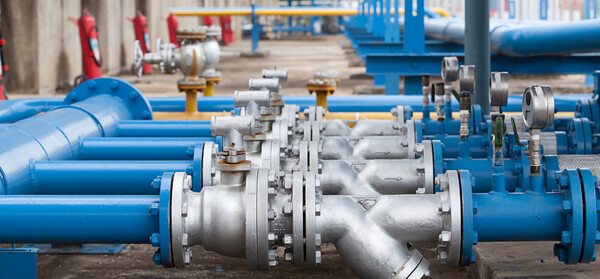
Valves installed throughout this cooling infrastructure regulate flow between chillers, pumps, cooling towers, and computer room air handlers (CRAHs). Proper valve placement allows engineers to isolate equipment for maintenance, balance flow between supply and return lines, and ensure that coolant is distributed evenly across the data center.
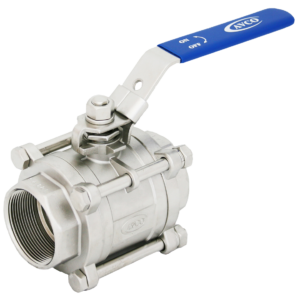
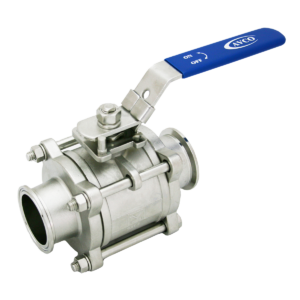
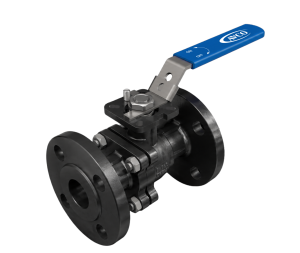
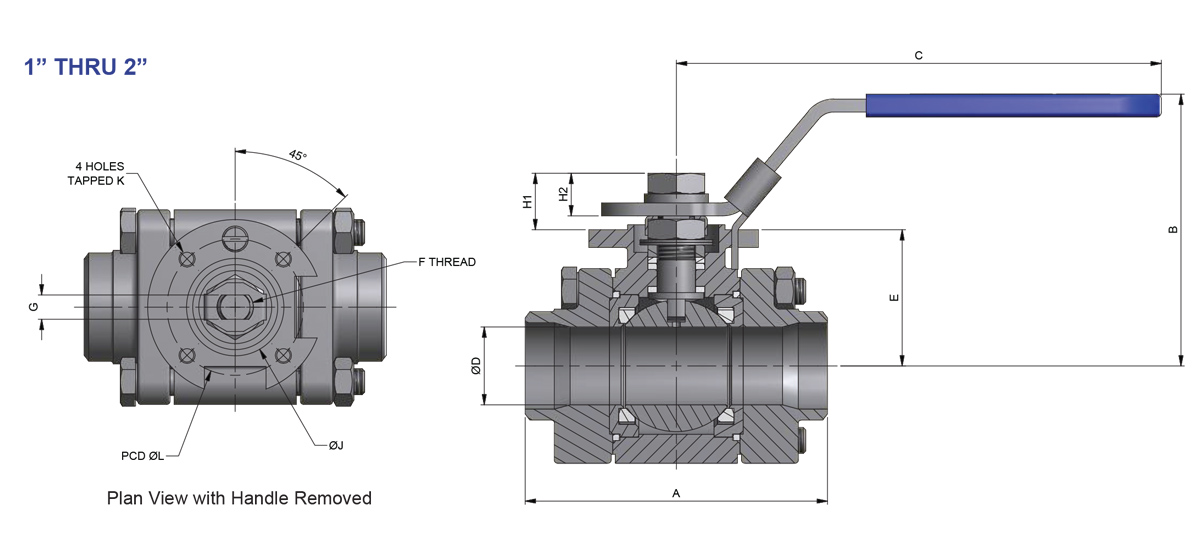
Ball valves are widely used in data center air and liquid cooling systems because they provide tight shutoff and dependable isolation for pumps, chillers, and branch lines. They are also used in diesel fuel systems for backup generators, where fire-safe designs provide additional protection and compliance with safety regulations. These valves operate using a rotating ball with a through-bore that allows fluid to pass through the valve when open and blocks flow when rotated 90 degrees. Three-piece ball valve designs permit maintenance without removing the valve from the piping system, thus preventing unplanned downtime.
Full port ball valves are especially beneficial for cooling lines because they minimize pressure drop and allow unrestricted coolant flow. Maintaining low resistance in chilled water piping helps improve pumping efficiency while ensuring consistent coolant delivery to equipment.
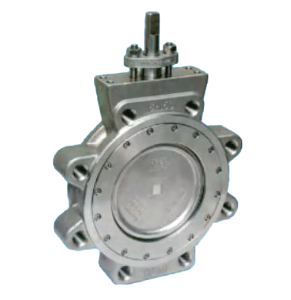
Butterfly valves are frequently used in data center cooling systems because they provide efficient flow control with a compact design. A rotating disc positioned in the center of the pipe regulates flow, allowing operators to throttle or isolate flow with a simple quarter-turn motion.
High-performance butterfly valves mate with pipe flanges and are commonly installed in cooling tower piping, condenser water loops, and large chilled water distribution lines. Sanitary butterfly valves with tri-clamp connections are engineered to minimize the potential for microbial growth in cooling systems. Applications include direct-to-chip liquid cooling systems and coolant distribution units (CDUs) with modular piping assemblies.
Material selection plays an important role in ensuring long-term reliability of data center cooling valves. Stainless steel is commonly used in liquid cooling loops because it is corrosion resistant and compatibility with various coolants.
Closed-loop cooling systems typically do not require 316L stainless steel sanitary valves, as these environments do not involve food, pharmaceutical, or hygienic processing conditions. However, maintaining clean internal surfaces and minimizing corrosion remains important for preserving cooling efficiency and system longevity.
Seat materials such as EPDM, PTFE, or reinforced elastomers are commonly selected based on compatibility with water treatment chemicals and coolant additives. Proper material selection helps prevent leakage, ensures long service life, and maintains reliable sealing performance under varying operating temperatures.
Data centers rely heavily on automation and monitoring systems to optimize cooling performance. Many valves used in cooling infrastructure are equipped with electric or pneumatic actuators that allow remote operation and automated control.
Electric actuators are commonly used because they have integrated switches and feedback that communicate with building management systems and allow precise control of valve position. Pneumatic actuators may be used where plant air systems are available and fast response times are required. Pneumatic actuators must be configured with solenoids, limit switches, or positioners to enable flow control and communication with other equipment.
Whether used with full port or v-port control valves, these technologies help improve cooling efficiency and maintain stable operating conditions across large data center facilities.
Preventive maintenance is essential to ensure the long-term reliability of valves within data center cooling systems. Regular inspections help identify wear, corrosion, or leakage that could compromise cooling performance or system reliability.
Leak testing and operational testing should be performed prior to installation and periodically during usage to verify that valves maintain proper sealing and flow control performance. Automated valves may also require calibration and functional testing to ensure accurate control signals and response.
Maintaining spare parts inventories for critical valves can significantly reduce costly downtime during repairs or unexpected failures. Keeping replacement seals, actuators, and valve components readily available helps ensure rapid maintenance response in mission-critical data center environments.