
Pulp and Paper Valves
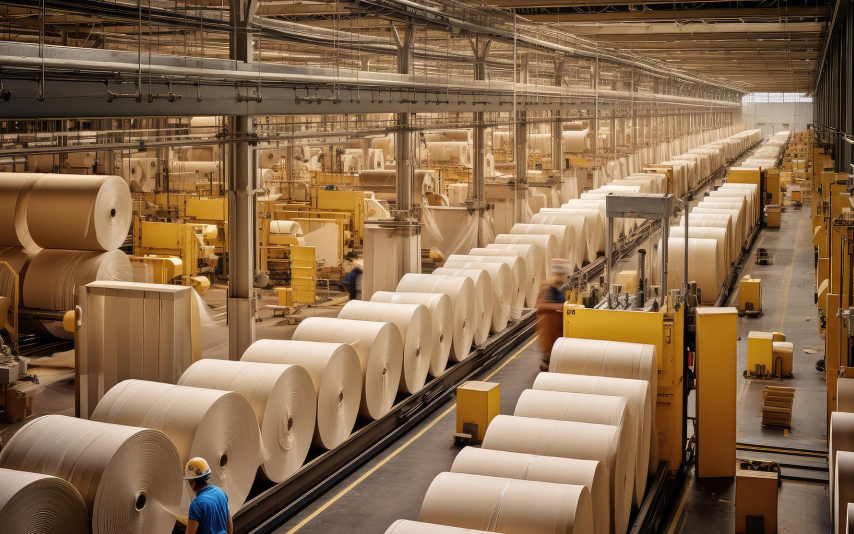
Pulp and paper processing environments demand industrial valves capable of handling abrasive slurry, corrosive process chemicals, and high-temperature media across continuous production systems. From pulp digestion and stock preparation to bleaching, chemical recovery, and wastewater treatment, pulp and paper valves play a critical role in ensuring safe isolation, accurate flow control, and long-term process reliability.
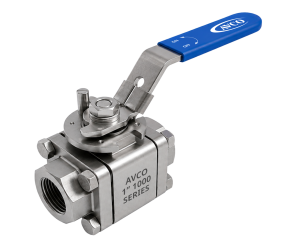
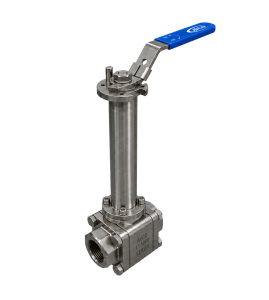
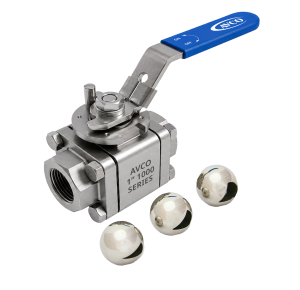
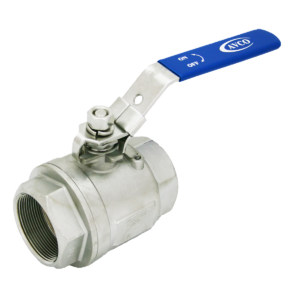
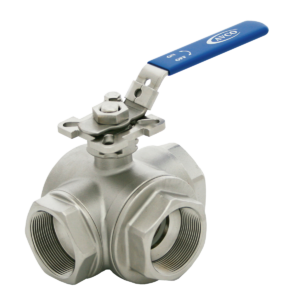
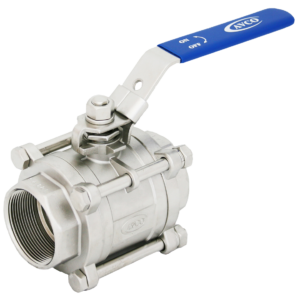
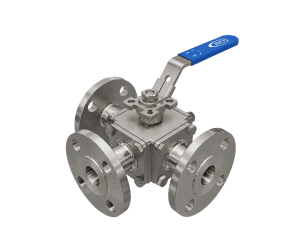
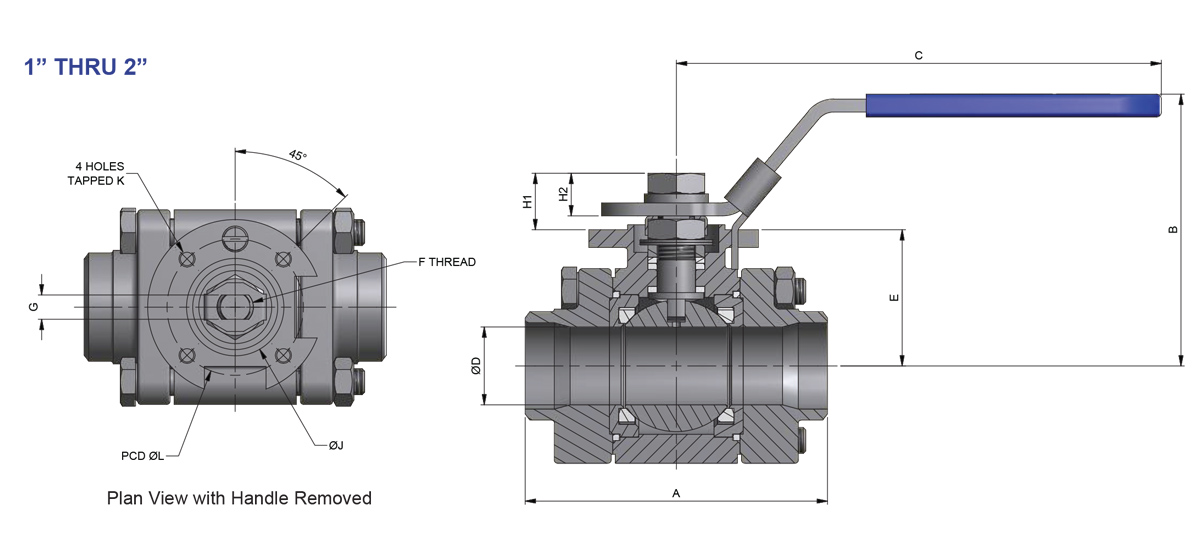
Ball valves are most commonly used for isolation and control throughout pulp and paper production – especially where tight shutoff is required in chemical or pressurized systems. Ball valves are also utilized in digester applications for controlling black and green liquor, steam flow, and high-consistency pulp processing. The quarter-turn operation of ball valves allows for rapid opening and closing, essential for fast-response automated systems. Knife gate valves are primarily used in low-pressure, high-solids slurry service where fiber content or debris would interfere with traditional sealing mechanisms.
Each valve has it’s benefits in within the paper industry. Poor valve selection can result in premature failure, unplanned downtime, and costly system inefficiencies in pulp and paper facilities. Selecting the correct valve is essential to reduce maintenance intervals and improve plant uptime.
Pulp and paper production involves multiple process zones that require durable isolation and control valves, including:
- Wood chip digestion
- Stock preparation
- Chemical recovery systems
- Bleaching plants
- Pulp slurry transfer lines
- Wastewater and effluent treatment systems
Each of these areas introduces unique challenges such as fiber erosion, chemical corrosion, pressure cycling, and scale buildup. Industrial valves used in pulp mills must be engineered to withstand continuous exposure to suspended solids, caustic solutions, bleaching agents, and thermal cycling without compromising sealing performance.
In addition to the handling tough applications, ball valves provide tight shutoff and are well-suited for utility services like water treatment and non-critical chemical feeds in pulp and paper operations.
Pulp slurry contains wood fibers and other solids that can erode internal valve components over time. Ball valves used in pulp service should include metal seats and other abrasion-resistant trim materials to maintain reliable performance and reduce downtime.
Many process streams in the pulp and paper industry contain corrosive chemicals that can degrade common metallic and elastomeric materials when incompatible. Black liquor, green liquor, sodium hydroxide, and chlorine dioxide introduce highly corrosive conditions in chemical recovery and bleaching systems. Corrosion-resistant alloys are crucial for maintaining long-term valve performance.
Digesters and recovery boilers subject equipment to repeated temperature and pressure fluctuations. Robust stem designs and high-temperature sealing materials are required to prevent leakage.
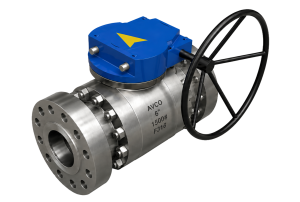
Floating and trunnion ball valves provide dependable sealing performance in liquid and light slurry systems, and in stock preparation and pulp transfer processes. Ball valves are available in Duplex, Hastelloy C, and other alloys that provide effective corrosion resistance against the caustic chemicals used in the paper industry.
Knife gate valves are primarily used in low-pressure, high-solids slurry service such as pulp slurry transportation and stock preparation systems where fiber content or debris would interfere with traditional sealing mechanisms. Knife gate valves excel in these areas because the sharpened gate can cut through fiber, pulp matting, and suspended solids during closure. This makes them ideal for applications where buildup or bridging would prevent full shutoff in other valve types.
Ball valves and knife gate valves are available with v-port options. V-port designs of valves provide an equal-percentage flow characteristic for accurate pulp consistency modulation. V-port valves allow for accurate and consistent flow and pressure regulation, improving the uniformity of the final paper product in pulp and paper manufacturing.
There are multiple options for automated operation of valves. Pneumatic actuators are fast acting and have low initial cost. Electric actuators are used when compressed air is unavailable.
Spring return pneumatic and electric actuators can be configured for fail safe actuation. This is critical for safe ball valve operations in critical applications when a valve must ensure safe media flow or shut off when there is power or signal loss.
Limit switches and positioners will interface with a PLC. Integration with SCADA systems enables remote monitoring of valve position and operating status, supporting predictive maintenance strategies and improving plant reliability.