
Water & Wastewater Industry Valves
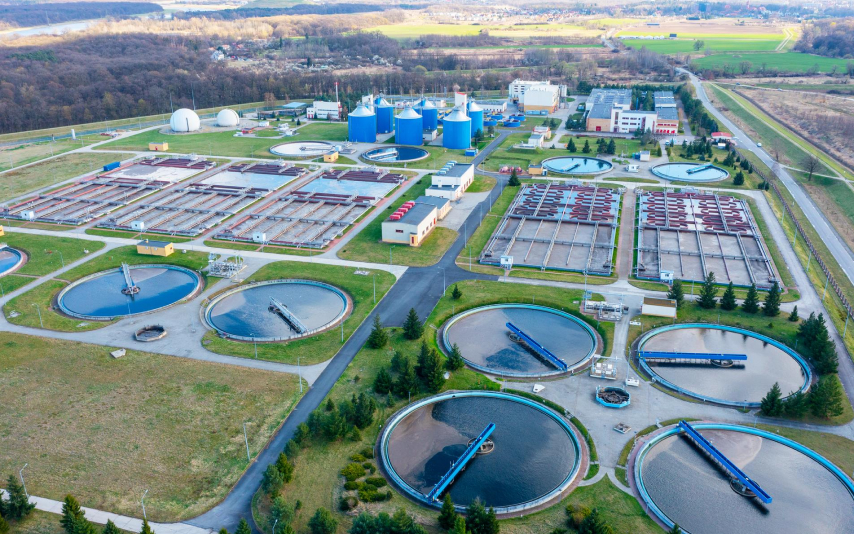
Water and wastewater treatment plants depend on industrial valves to regulate flow, isolate equipment, protect pumps, and maintain process reliability across municipal and industrial infrastructure systems. From influent intake and lift stations to sludge handling, filtration, and chemical dosing, wastewater valves must operate in abrasive, corrosive, and solids-laden environments where performance failures can result in downtime, energy losses, or regulatory compliance issues.
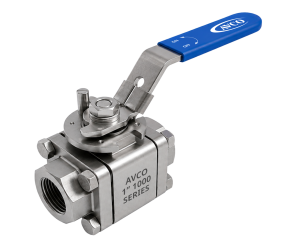
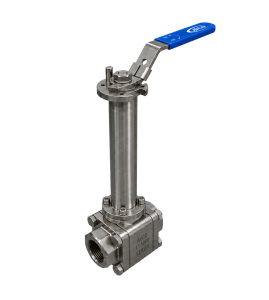
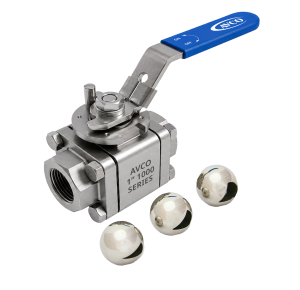
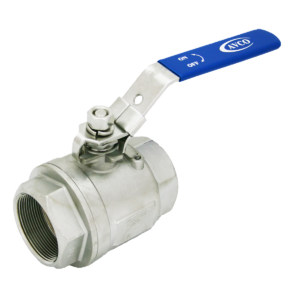
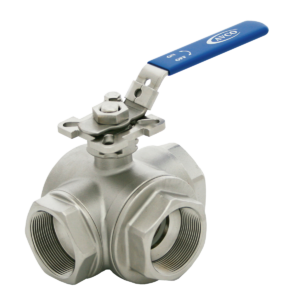
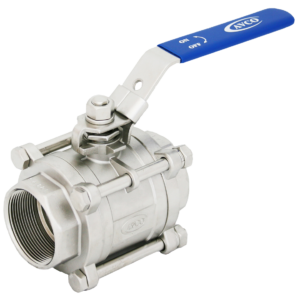
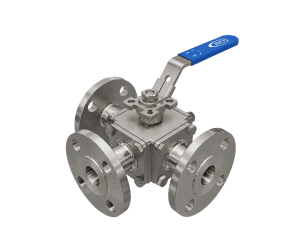
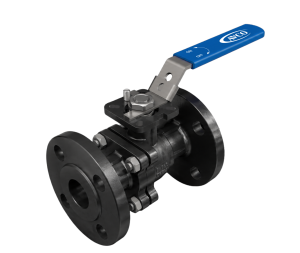
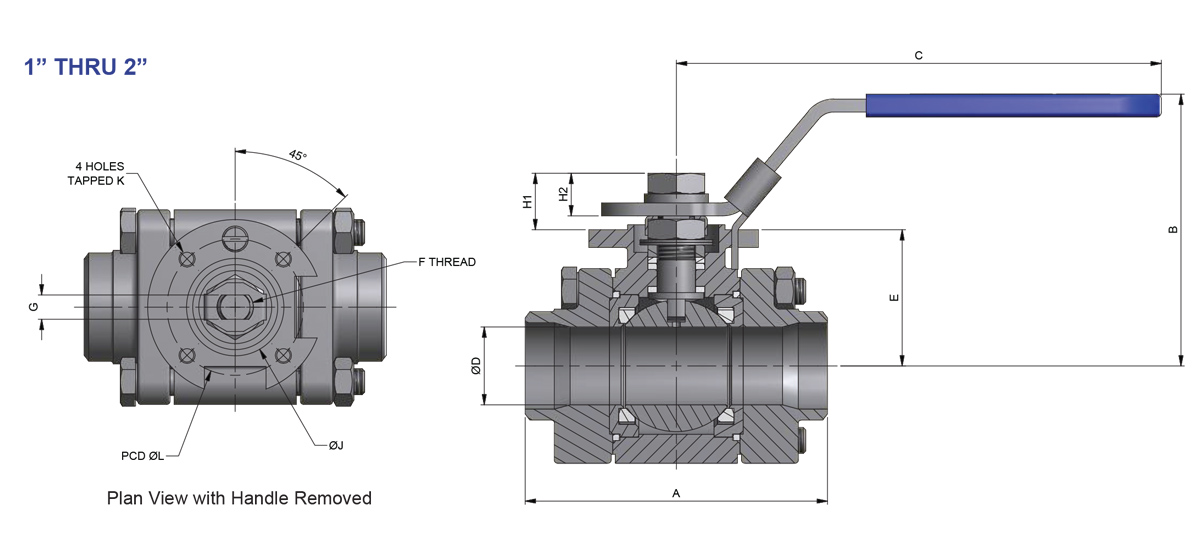
Full port ball valves are widely specified throughout wastewater treatment facilities due to their ability to provide tight shutoff, unrestricted flow paths, and clog-resistant operation in demanding process conditions. Compared to traditional isolation valves, quarter-turn ball valves offer improved reliability, faster actuation, and reduced head loss across pumping systems – making them ideal for modern water treatment plants focused on operational efficiency and lifecycle cost reduction.
Wastewater systems utilize a variety of industrial valve types depending on application requirements. Common valves used in water and wastewater treatment plants include:
- Full port ball valves
- Butterfly valves
- Knife gate valves
- Gate valves
- Check valves
Ball valves are frequently installed in lift stations, pump discharge lines, bypass piping, and sludge transfer systems due to their ability to handle suspended solids without clogging. Knife gate valves are typically used for thick slurry isolation, while butterfly valves are commonly applied in large diameter flow control applications such as aeration basins and effluent discharge systems.
Ball valves can be manufactured in a full-bore design providing a straight-through flow path with virtually no resistance. This helps maintain consistent velocity profiles and minimizes turbulence, reducing pump wear and improving overall hydraulic efficiency throughout the treatment plant piping network.
Selecting the right valve requires evaluating several key system parameters including pressure rating, temperature range, and solids content within the process media. Wastewater applications often involve fluctuating pressure conditions caused by pump cycling and surge events, making pressure class selection essential for maintaining safe and reliable system operation.
Solids-handling capability is especially important in wastewater treatment plants where grit, sludge, and fibrous materials can accumulate inside improperly sized valves. Full port ball valves are commonly recommended for lift stations and pump isolation service due to their self-cleaning internal geometry and unobstructed flow path. Engineers should consider bore size, seat material, torque requirements, and compatibility with automation systems when specifying valves for solids-laden environments.
Floating ball valves and trunnion mounted ball valves are both used in municipal wastewater applications depending on pipe size and operating pressure. In smaller diameter piping systems, floating ball valves are the most common type used in low to moderate pressure applications for leak-proof flow control where upstream pressure assists sealing performance between the ball and seats.
Trunnion mounted ball valves provide additional mechanical support for larger valves installed in high-flow effluent discharge systems or treatment plant distribution networks. Trunnion-mounted ball valves are designed for high-pressure applications, minimizing operating torque and increasing reliability in demanding wastewater service conditions.
Full port ball valves are generally recommended for sludge transfer lines and pump isolation applications where minimizing head loss is critical. Reduced port designs may be acceptable for non-critical services such as chemical injection or sampling lines.
Proper valve sizing is essential for maintaining wastewater system performance and minimizing energy consumption. The flow coefficient (Cv) of a valve determines its ability to pass fluid without excessive pressure drop. Undersized valves restrict flow and increase pump load, resulting in higher operating costs and reduced system throughput.
Full port ball valves provide higher Cv values than reduced bore valves, allowing wastewater to move through pumping systems with minimal friction loss. Maintaining low head loss across isolation valves improves hydraulic balance and extends pump service life—reducing maintenance costs for municipal treatment facilities.
Wastewater treatment environments expose valves to chlorides, sulfides, disinfectants, and biological contaminants that can accelerate corrosion and material degradation. Stainless steel ball valves are commonly used in sludge handling, tertiary filtration, and potable water treatment systems due to their resistance to aggressive chemical exposure. While 304SS is suitable for general water service and low-chloride environments, 316SS can handle those same applications as well as reclaimed water and high-salinity conditions.
Alternative valve body materials such as ductile iron, carbon steel, and engineered thermoplastics may be selected based on application requirements and budget constraints. Internal coatings such as epoxy or PTFE linings can further enhance corrosion resistance in harsh wastewater service conditions.
Proper seat selection is also required for reliable valve operation in wastewater plants. PTFE or TFM are chemically inert and offer excellent sealing performance in most water and wastewater applications. Other resilient seat materials such as PEEK are available for elevated temperatures. Metal-seated ball valves are recommended for high-temperature or sludge applications.
Automated valve actuation improves process control and reduces manual intervention in wastewater treatment plants. Pneumatic actuators are commonly used for rapid cycling applications such as lift station isolation, while electric actuators offer precise positioning for chemical dosing and flow modulation systems.
Limit switches and positioners will interface with a PLC. Integration with SCADA systems enables remote monitoring of valve position and operating status, supporting predictive maintenance strategies and improving plant reliability.
The modular design of ball valves allows for easy upgrades and modifications to meet changing requirements in wastewater applications.When upgrading legacy infrastructure, drop-in full port ball valves can improve system efficiency without requiring extensive piping modifications. Engineers should verify flange compatibility, lay-length dimensions, and bypass requirements prior to installation.
Implementing a preventive maintenance schedule that includes periodic cycling, inspection, and seal replacement can significantly reduce unexpected downtime and extend equipment life. Maintaining an onsite spare parts inventory reduces downtime and ensures continued plant operation during maintenance events.