Mining Industry Valves
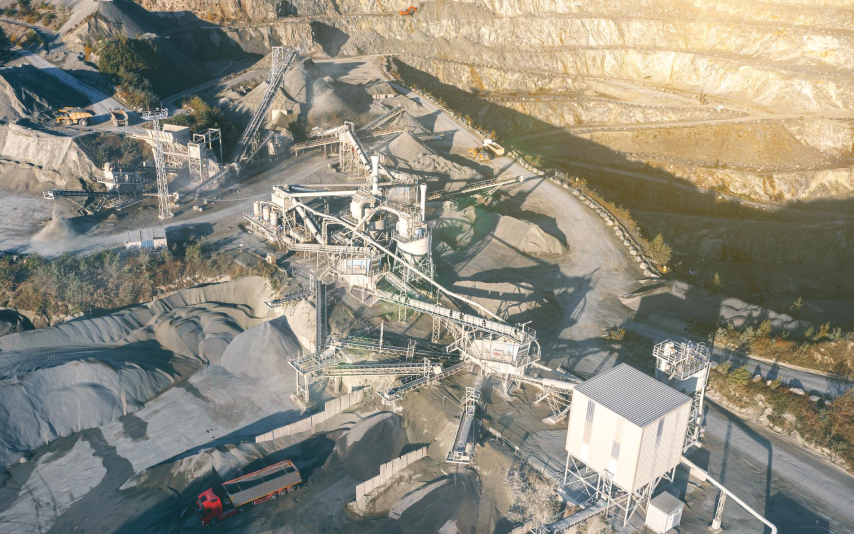
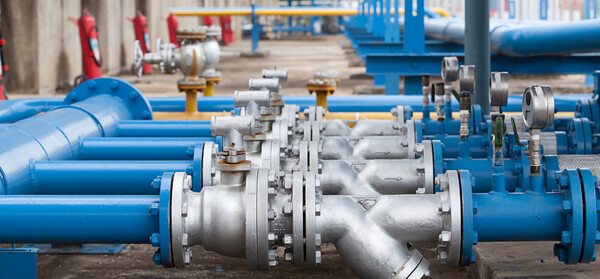
Industrial valves play a critical role across the mining industry. They are used in processing facilities to support slurry transport, flotation circuits, acid leaching systems, dewatering applications, process water, and tailings management. Valves are critical process-control components that directly affect plant uptime, environmental performance, and maintenance intervals.
Mining process streams often contain abrasive slurries, corrosive chemicals, entrained solids, and fluctuating pressure conditions. Selecting the appropriate valve type is essential for maintaining isolation, stable flow, and achieving optimal performance.
There are a variety of valves for mining operations that will provide full shutoff and zero leakage. Each type of valve has advantages for certain applications.
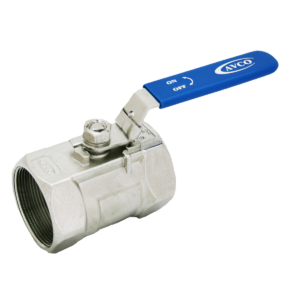
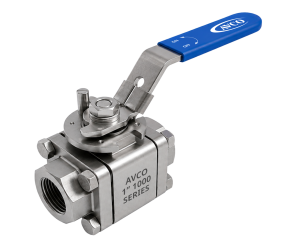
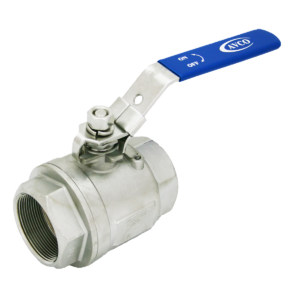
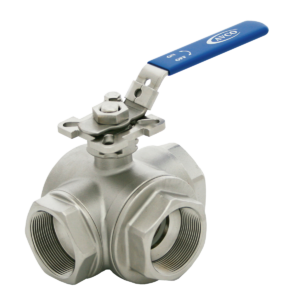
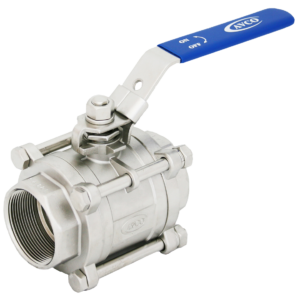
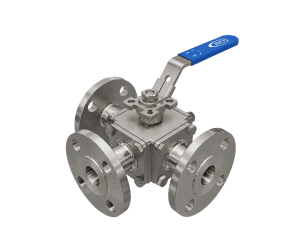
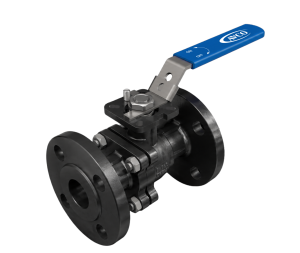
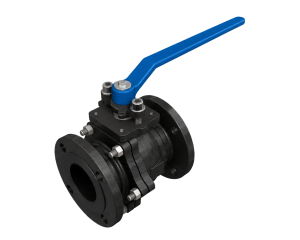
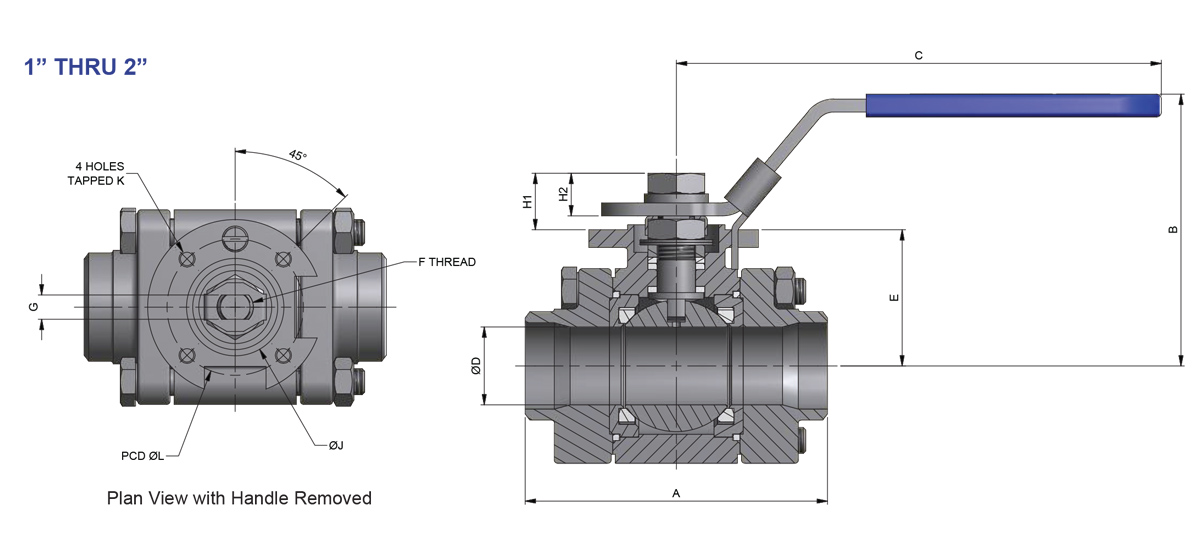
- Ball valves are easy to operate, allowing for quick opening and closing in mining processes. They are widely used for bubble tight shutoff and as a control valve to modulate flow in slurry and reagent dosing systems. Ball valves are used in low pressure and high pressure applications, making them suitable for a wide variety of mining applications.
- Knife gate valves are designed with a sharpened gate that can cut through slurry thus allowing for reliable shutoff even when solids are present in the flow stream. They are constructed using robust materials (e.g., hardened metal/rubber) to endure harsh mining conditions. They are commonly installed in tailings isolation and thickener underflow service.
- Butterfly valves provide lightweight flow regulation in slurry transport and water handling applications.
- Gate valves are typically used in large-diameter pipelines where full isolation is required
- Check valves prevent reverse flow in pump discharge lines and dewatering applications.
The full-bore design of these valves ensure minimal restriction in the pipeline when open. Maintenance intervals vary depending on slurry abrasiveness and operating cycles, making proper valve selection essential for minimizing downtime.
Full port ball valves, knife gate valves, gate valves, and butterfly valves provide unrestricted flow of liquid, slurry, and solids. They also provide effective shut off when isolation is required. Alternatively, v-port ball and butterfly valves are used as control valves to modulate flow manually or when coupled with automation accessories. Check valves are often added to prevent backflow.
Acid leaching operations require corrosion-resistant isolation and control valves to manage sulfuric acid injection and pressure letdown. Alloy 20 is specifically engineered to resist sulfuric acid corrosion.
Ball valves for the mining industry require exceptional abrasion resistance and durability. Materials used in ball valves intended for slurry service are typically abrasion-resistant alloys, carbon steel, or hardened stainless steel. Trim components, discs, and balls may be made from Stellite or hard chrome plated to extend operational life. Slurry density and particle size must be considered during product selection. Valve accessories are available to reduce solids buildup.
Seat materials such as reinforced PTFE, elastomer compounds, or metal-seated designs should be selected based on process temperature, chemical compatibility, and solids concentration. Resilient sealing products help maintain sealing performance in applications subject to pressure fluctuations.
Valves can be automated to provide remote control and monitoring capabilities. Selection criteria must consider available air or power supply, and site conditions. Pneumatic actuators are fast acting, have low initial cost, and are well suited for hazardous environments. Electric actuators have lower operational costs and are used when compressed air is unavailable. Electric actuators provide controlled flow and electronic signals without the use of additional accessories.
Accessories such as solenoids, limit switches and positioners enable remote monitoring and automated control of ball valves. These features are integrated into the electric actuators but must be added to pneumatic actuators if required.
Prior to installation, inspect the visible seat and seal to ensure they are in good condition. Do not disassemble the valve for inspection. Connect the actuator to an air or electric source and test the function. Check that the valve goes to the full open and close positions. Proper flange torque procedures, including multiple rounds of increasing torque on each bolt, must be followed to prevent valve body distortion and leakage.
Correct valve alignment is essential in slurry pipelines to prevent uneven wear. Schedule routine purge and flushing schedules to remove accumulated solids and extend service life in tailings and concentrate transport systems. Consider purchasing repair kits with the initial valve purchase because mining applications can wear components and affect valve reliability.
Selecting the right valve will reduce ongoing maintenance costs. Valve sizing for slurry flow should consider solids concentration, particle size distribution, and pipeline velocity. Proper Cv sizing ensures adequate throttling performance without inducing excessive turbulence or pressure drop. Material selection is crucial to ensure the valves can withstand any corrosive chemicals used.
Port sizing must also account for solids transport requirements to prevent clogging and maintain consistent flow rates in thickener underflow systems. Full port design is typically preferred for slurry to prevent clogging and reduce pressure drop.
Valves in the mining industry usually require maintenance due to the harsh conditions. Even the hardest materials will exhibit wear over time. To avoid unplanned downtime, it is important to select the correct valve solution and have spare parts available to service the valves in the field.
Ball valves should conform to ASME B16.34 standards. Additional standard considerations include fire-safe design to API 607 for handling flammable gases such as methane.
| Valve Type | Isolation | Throttling | Abrasion Resistance | Maintenance Interval |
| Ball Valve | High | Moderate | High | Long |
| Knife Gate Valve | High | Low | Moderate | Medium |
| Butterfly Valve | Moderate | Moderate | Low-Moderate | Medium |
| Gate Valve | High | Low | Moderate | Medium |
| Check Valve | N/A | N/A | Moderate | Long |
| Control Valve | Low | High | Moderate | Medium |