Aerospace Ball Valves
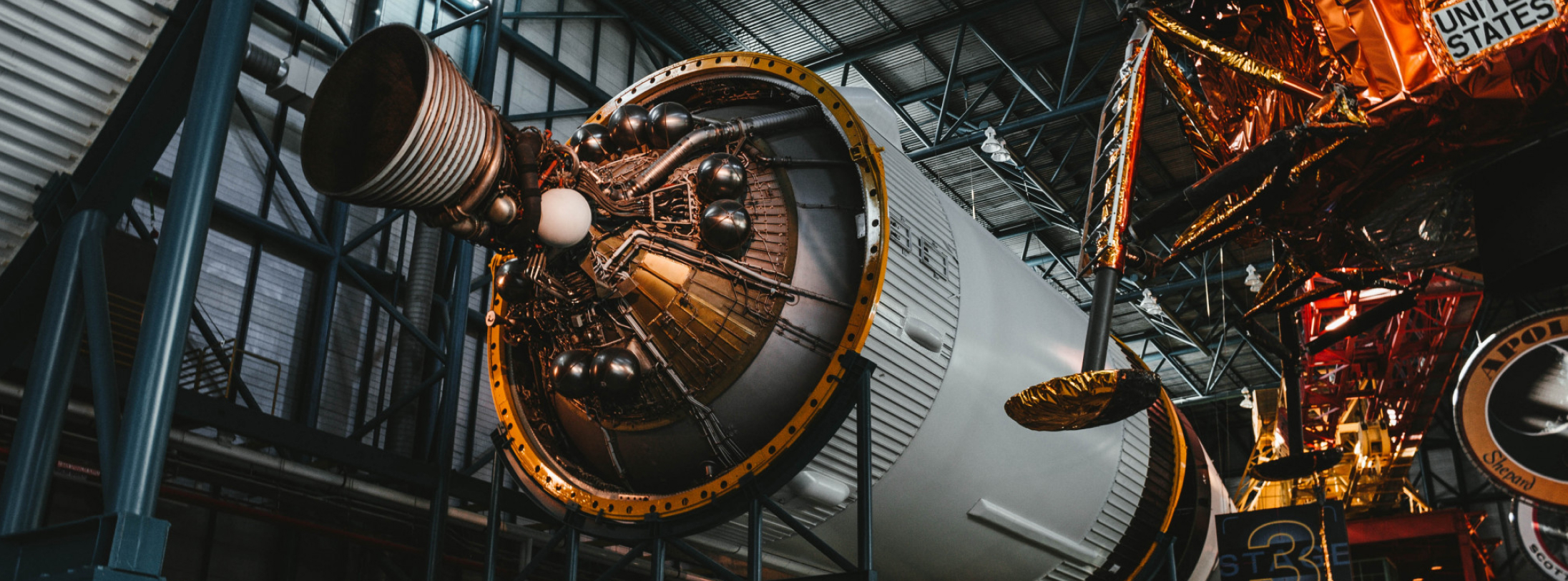
Floating and trunnion ball valves are reliable, precision-engineered isolation devices used in aerospace applications such as launch infrastructure and propulsion ground support systems. Ball valves are employed in fuel systems to manage fuel transfer, shut-off, and cross-feeding for maximum efficiency. Ball valves are integral in hydraulic systems for controlling movement and in fuel systems for regulating flow to engines. Ball valves can serve as primary shutoff or isolation, control flow through use of a v-ball, or divert flow when a 3-way valve is used. Quick shut off for safety is achieved when used with pneumatic actuators.
Performance drivers include zero-leakage sealing during propellant staging, resistance to cryogenic embrittlement, torque stability across rapid thermal transitions, and compatibility with high-purity media such as liquid oxygen (LOX), liquid methane (LCH4), liquid hydrogen (LH2), RP-1, LN2, GN2, and helium. Ball valves are easy to use and should operate at 100% efficiency for their entire life cycle.
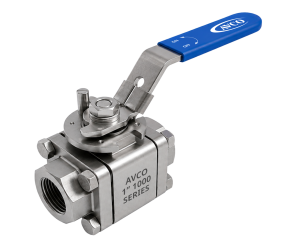
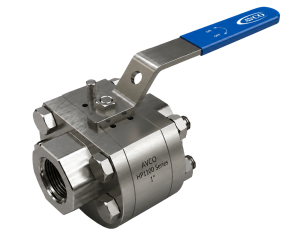
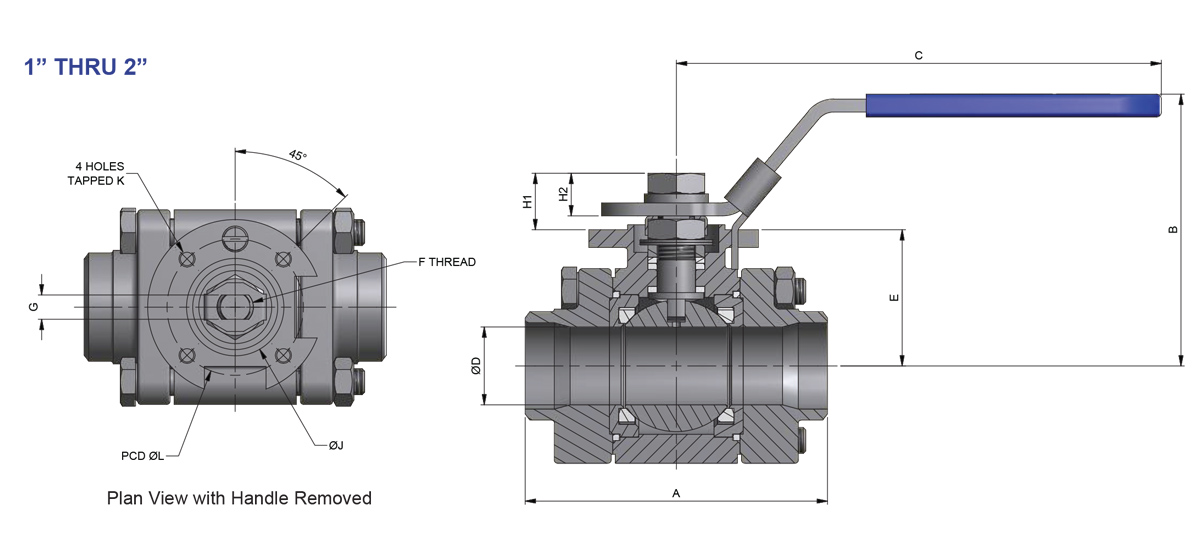
Floating ball valves are designed for smaller diameter piping systems with low to medium pressure ratings. Common industry end connections are flanged, AS5202, and AN ends. Sealing is achieved by the upstream pressure pushing the ball into the downstream seat to achieve sealing.
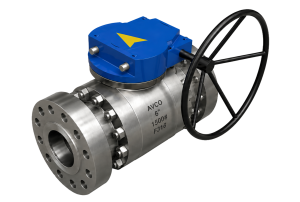
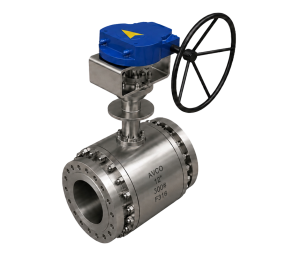
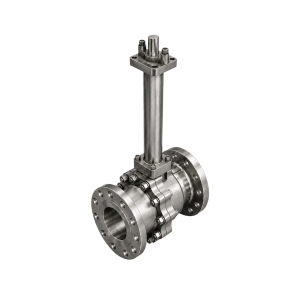
Flanged, butt weld, or hubs are common end connections on large diameter trunnion valves. Because the ball is secured by a trunnion under the ball, there is less pre-loading of the seat against the ball which lowers the torque while maintaining a tight seal.

Ready for Launch
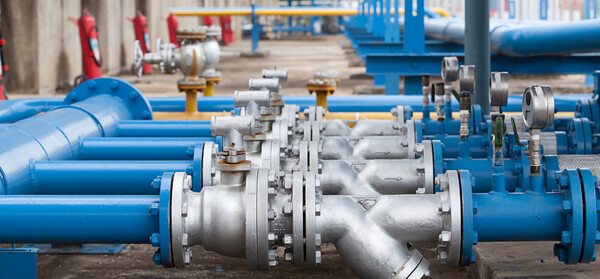
Ground Testing & Assembly
To ensure safety and reliability, valves should be chosen based on design specifications rather than operating conditions. Valves are usually a 3-piece construction and engineered for cryogenic temperatures. When automated, the 90-degree turn mechanism of ball valves allows for near-instantaneous shut-off and opening, making them ideal for emergency situations and automated systems.
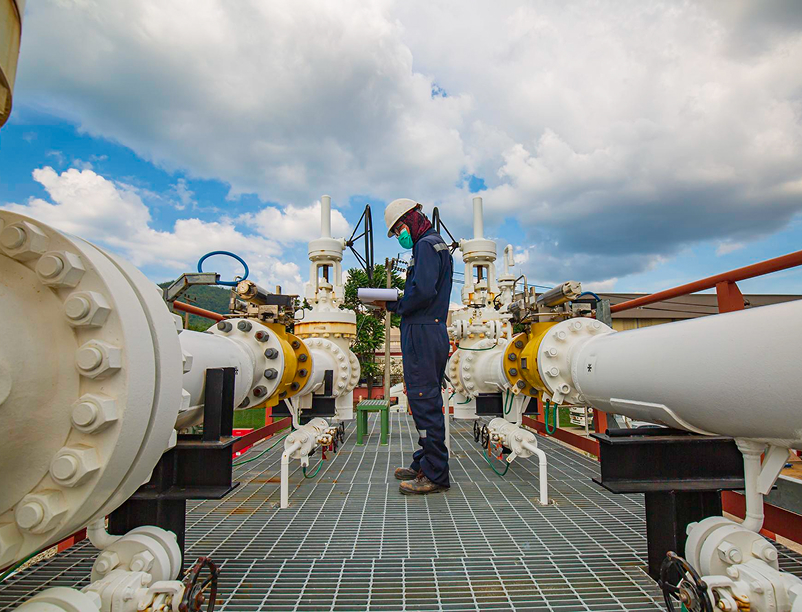
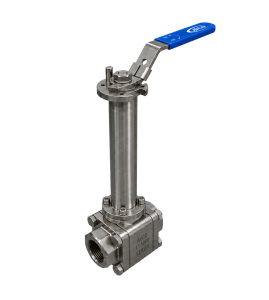
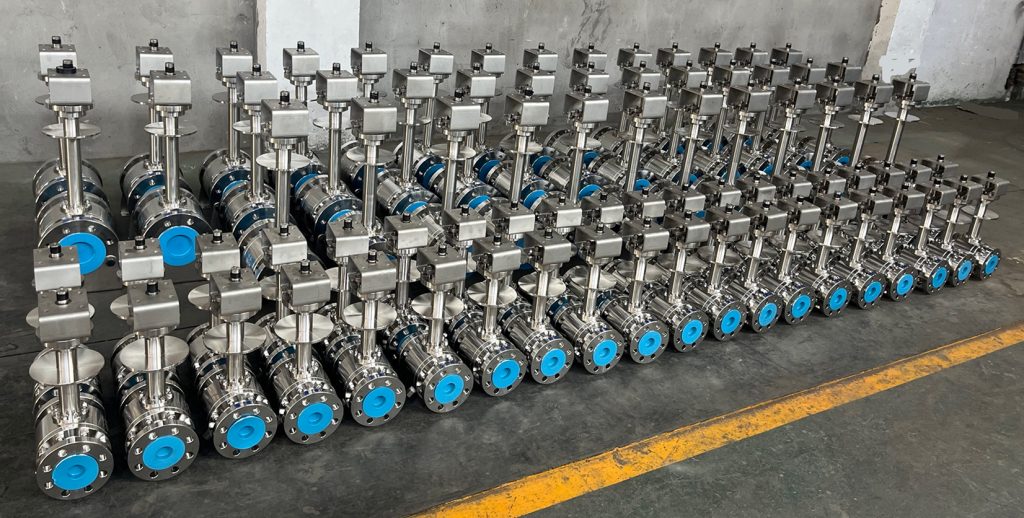
Cryogenic floating ball valves require a ball vented to the high pressure side of the valve. Cryogenic trunnion ball valves will relieve pressure through the upstream seat and do not require a vented ball. The trunnion valves are available in DBB, DIB-1, and DIB-2 design configurations. Both types of valves are fitted with an extended stem to prevent water or moisture freezing around the handle or actuator.
Ball valves do not require any lubrication to function, which contributes to their efficiency. Compared to a reduced port valve, a full port ball valve design minimizes turbulence, energy and pressure loss, maximizing system performance in high flow rocket launch and test systems.

316SS is typical for aerospace applications. Inconel or Monel alloy may be considered if additional strength or oxidation resistance is needed. Soft-seat materials such as TFM or PCTFE are the industry standard for aerospace applications.
Oxygen cleaning and bagging service is often selected for applications where high velocity gaseous oxygen presents an ignition risk.
All valves should be designed to ASME B16.34 which covers ball valve design, ratings, materials, testing, and more. (asme.org). Valves often must carry a fire-safe rating to API 607 (api.org).
Cryogenic valve designs should be tested by BS 6364, MSS SP-134 (msshq.org), or ISO 28921-1 (iso.org) to show they can seal at operational temperatures.
An EN 10204 3.1 Mill Test and Inspection Certificate may be required to show material traceability through tracking of heat numbers for each lot processed.
Ball valve actuators are sized based on the valve torque at full differential pressure plus a safety factor, available air or power supply, and site conditions. Pneumatic actuators are fast acting and have low initial cost. Electric actuators have lower operational costs and are used when compressed air is unavailable. Electric actuators provide controlled flow and electronic signals without the use of additional accessories and are available in configurations suitable for hazardous environments.
Thermal contraction in cryogenic systems presents several considerations not present in ambient systems. As the piping system cools, the pipes will contract. Expansion joints or flexible hose must be used to prevent valve and flange bolts getting pulled apart and causing leaks.
Repairing floating ball valves can be done with relative ease due to their design, which allows for simple access to the seats of the valve. Routine leakage inspections and operational cycling should be performed between launch campaigns.
When installed correctly and maintained regularly, high-performance ball valves engineered for aerospace applications will provide a long, reliable service life with few production interruptions.